
People & Culture
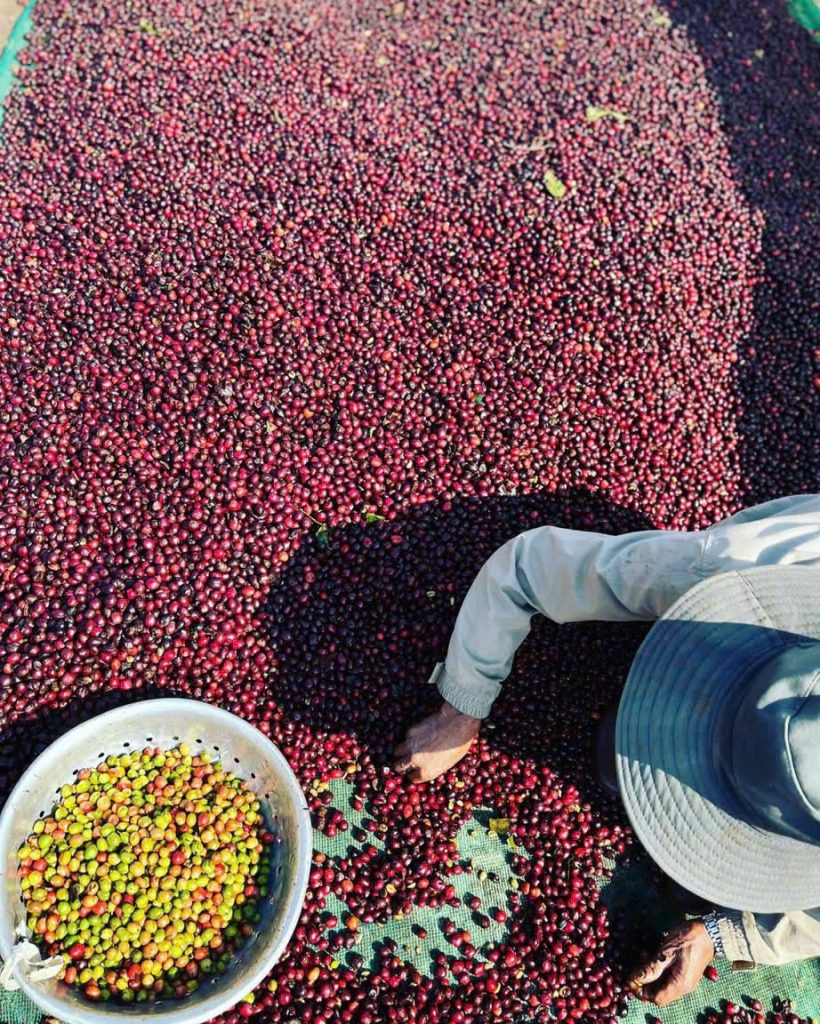
It’s Not Just About the Coffee
An Coffee Farm’s goal is to be the finest, most environmentally conscious coffee farm in Ethiopia, with uncompromising commitment to quality in every step of cultivation and processing, and the ultimate dedication to our employees and to our customers.
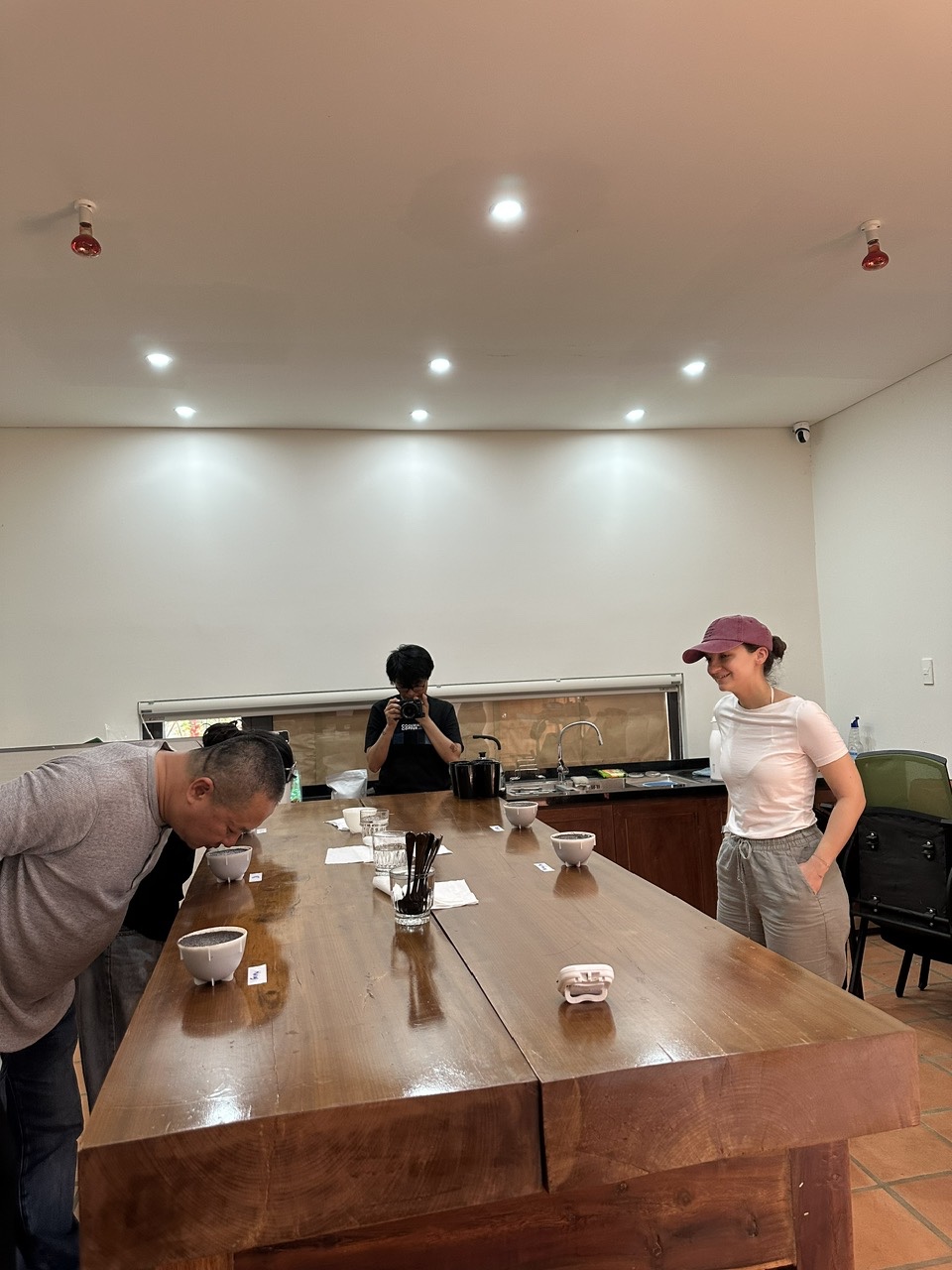
We seek to connect the world to Ethiopia and reveal all of its beauty within a perfect cup of coffee.
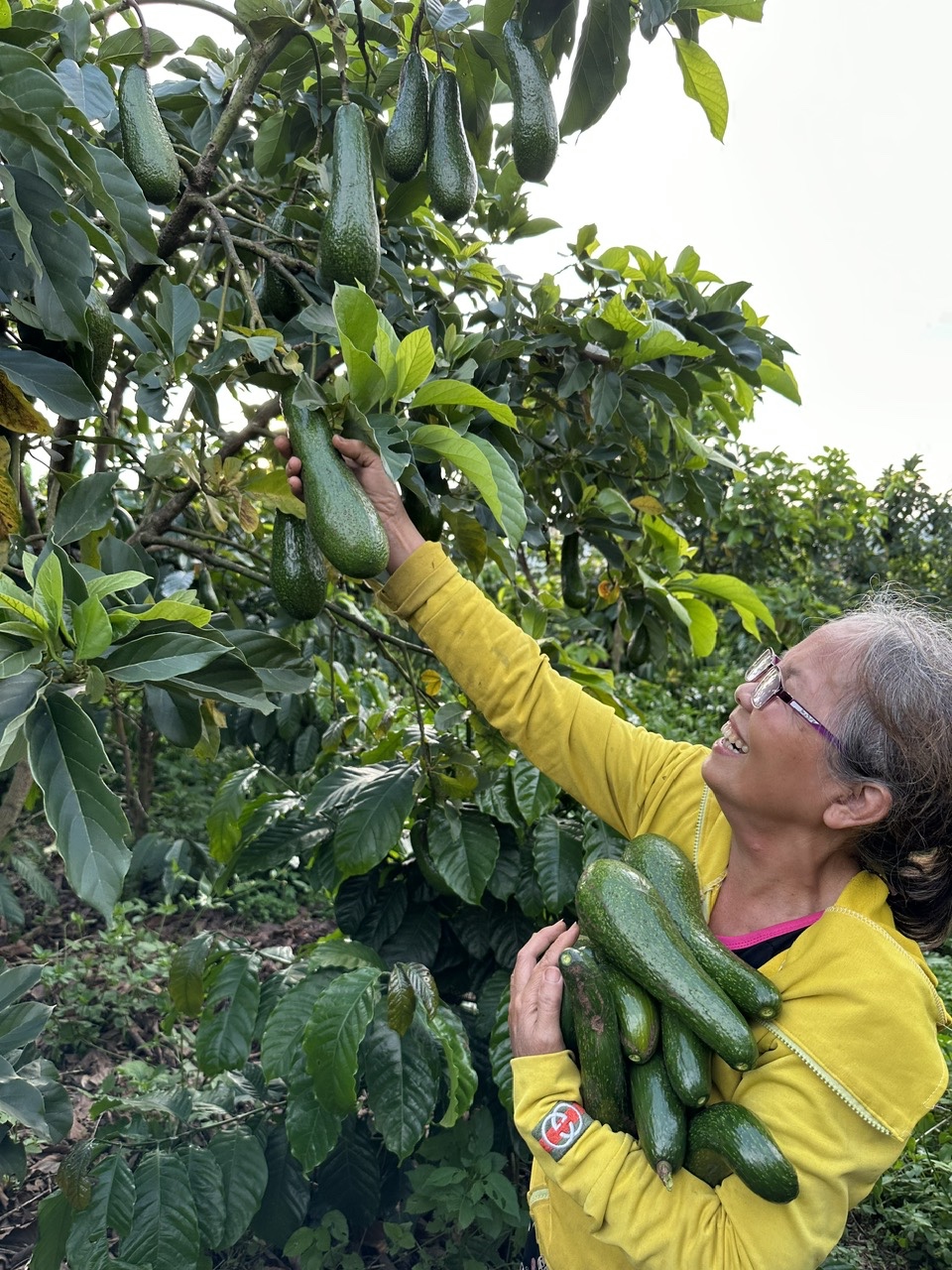
We believe in environmental responsibility
Agroforestry & Reforestation
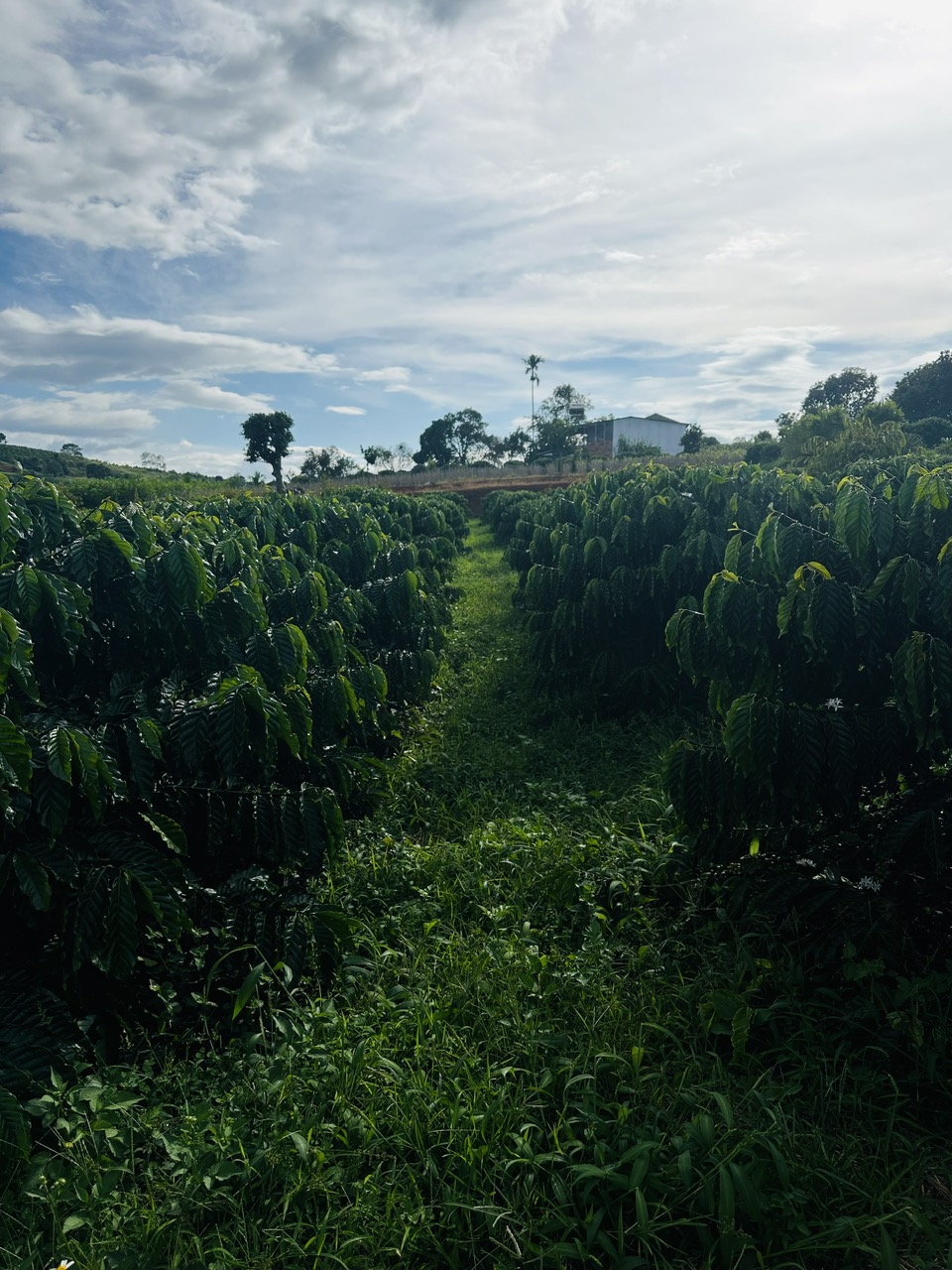
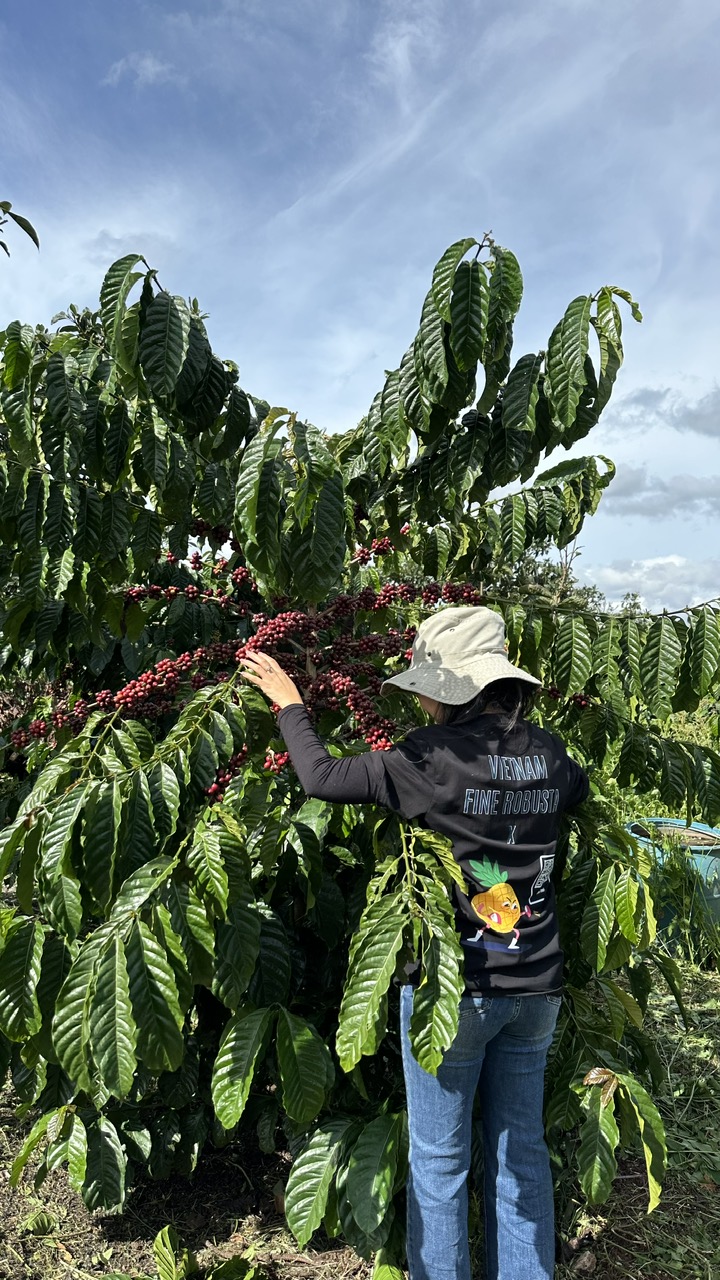
At An Coffee Farm we feel a firm responsibility to preserve the environment in which we grow coffee, and we strive to minimize our impact as much as possible. Our agroforestry farming approach seeks to strike a balance between the commercial management of the farm and the original environment of the land, honoring our setting while producing a superior-quality coffee.
When we arrived at the land on which we built An Coffee Farm, about 25 percent of the land had been deforested. We paid special attention to revitalize the terroir with native trees that would function best in this environment. We conducted an environmental study from an agroforestry expert to advise us. We planted these trees at a moderate density of 2,000 trees per hectare, pairing them with more than 30,000 native shade trees to provide the proper balance of biodiversity and create a sustainable ecosystem for the coffee.
A Careful Approach to Water Usage
We view water as a precious resource, and the processing methods we employ are meant to use water in a responsible fashion. In our washed processing, we use modern eco-pulpers and demucilagers in order to use as little water as possible from the rivers. We use a recirculation system to further help our conservation, as well as an extensive natural treatment solution to filter the wastewater.
Repurposing Material
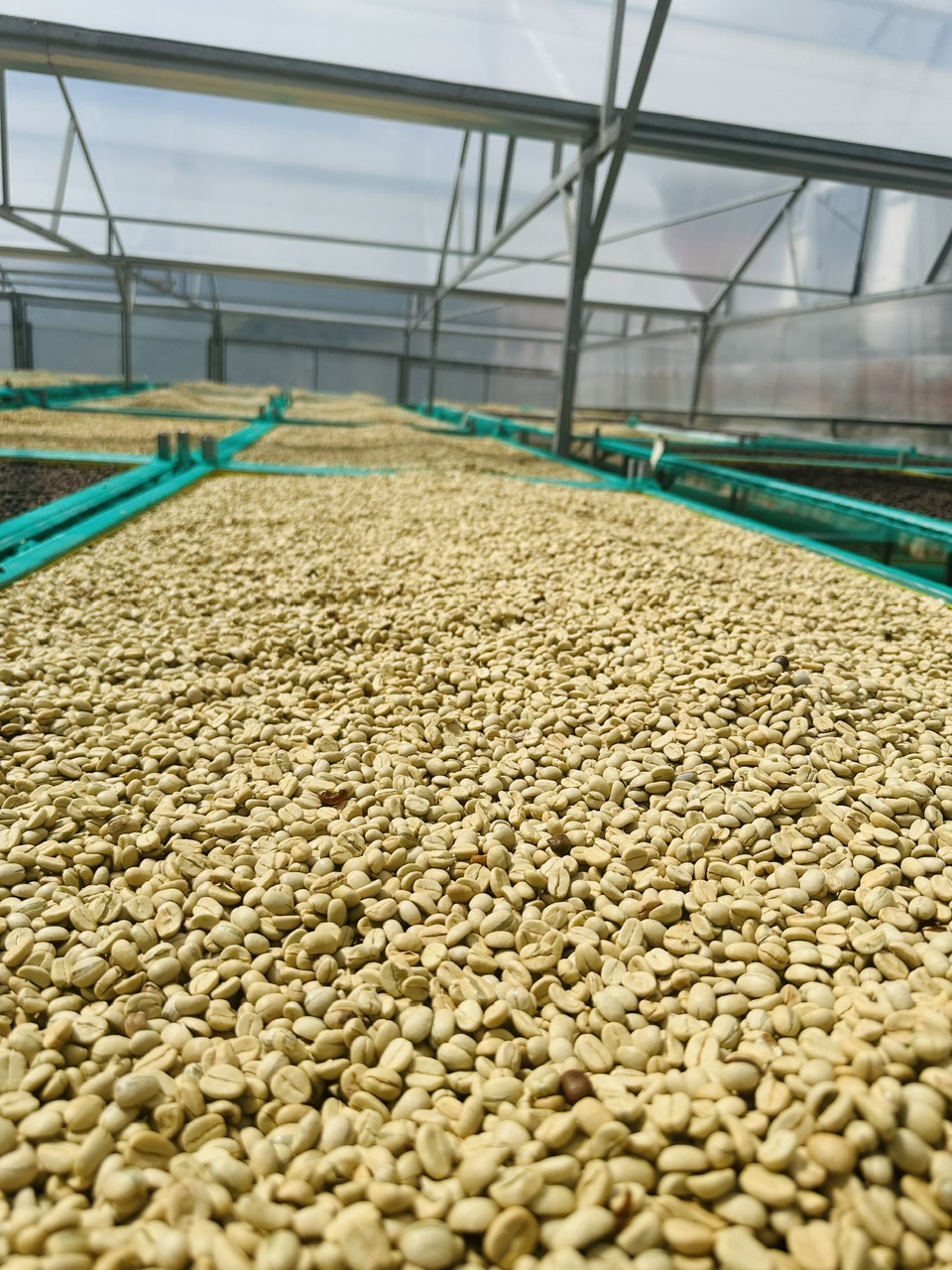
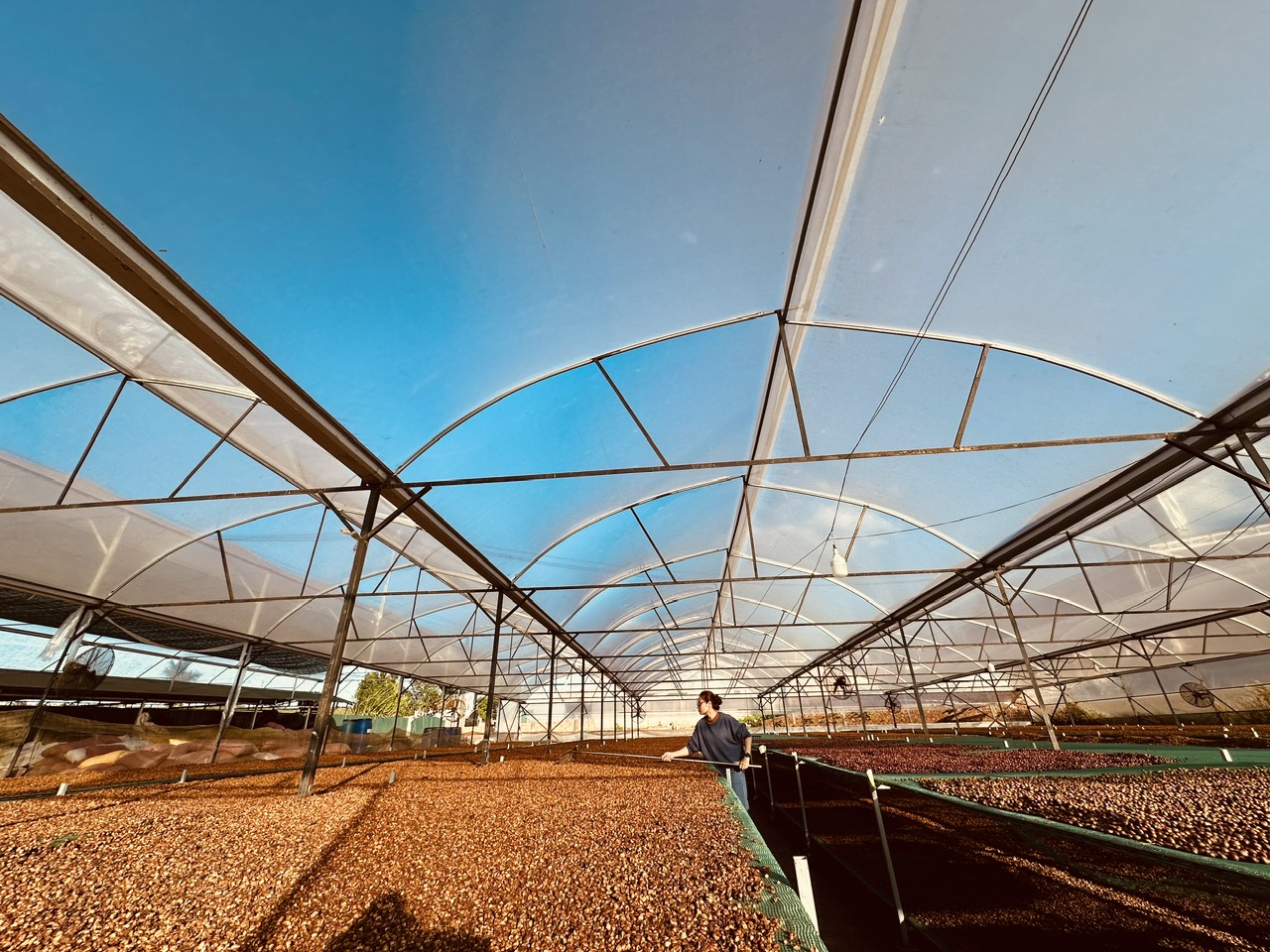
We also prioritize the reusing and recycling of materials. We compost all of the coffee pulp that remains from our washed-process coffee. In 2018, we installed new hulling equipment for our natural-process coffee, which allows us to reuse the dried coffee husk for mulching and sustainable fuel use.
Additionally, we have launched a large-scale composting program that processes 300 tons of compost each year, turning our coffee waste and other organic materials into nutrient-rich additives that can help our coffee plants thrive. In 2022 we also started exploring underutilized sustainable building materials and are currently in the prototype stage of constructing an all-bamboo house at the farm. We’ve brought in an expert team from Bali to design and build this structure in addition to facilitating skill sharing workshops with our workers.
Farmer-to-Farmer Workshop
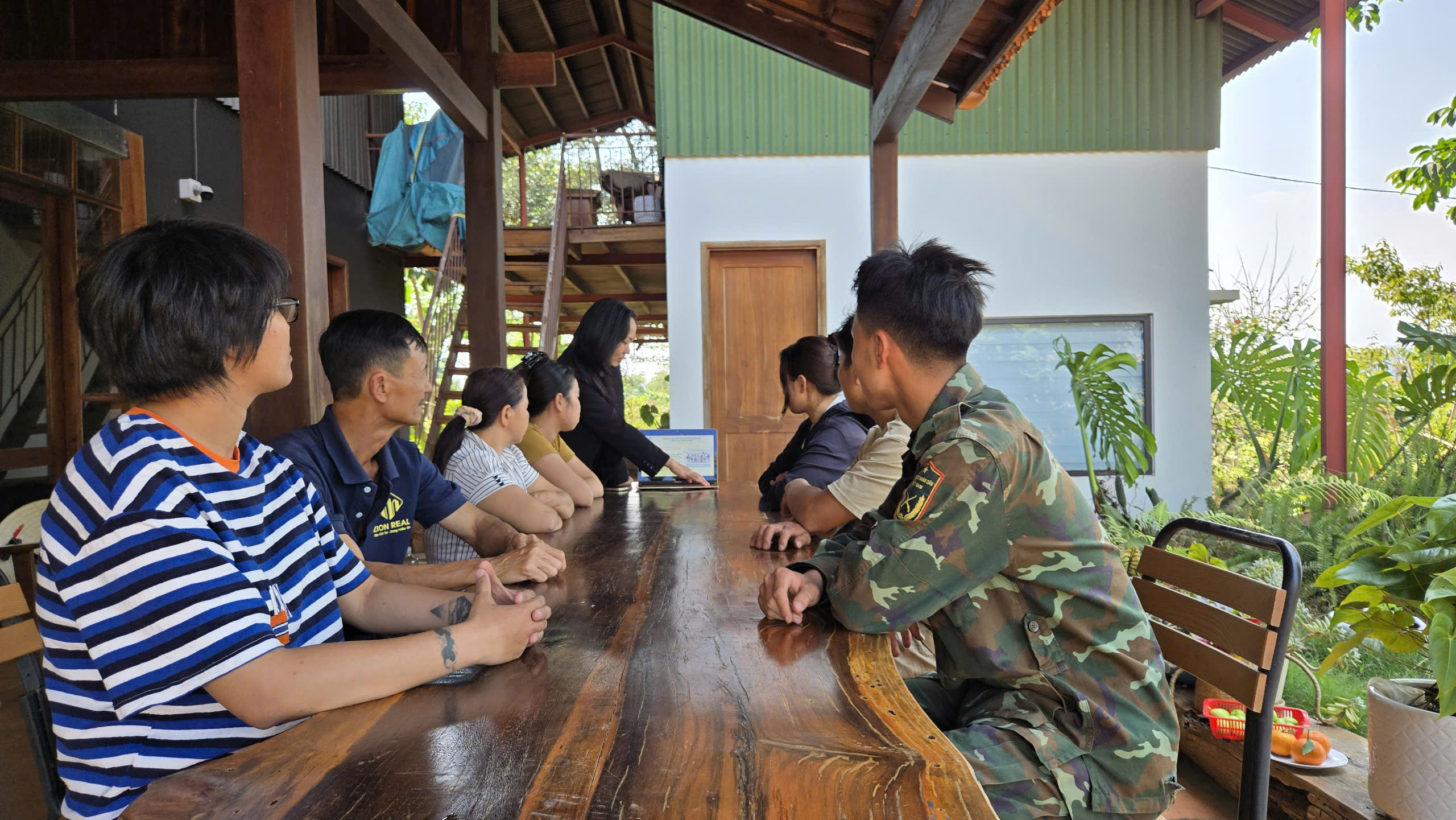
Gubalangi means “let’s relax and converse” in the Meanit language. In 2017, we started a yearly farmer-to-farmer think tank workshop, titled Gubalangi, providing educational opportunities and information exchange to farmers. Hosted at the farm, these workshops are led by An Coffee Farm’s management team as well as visiting local and international specialty-coffee experts. The goal is to provide Ethiopian coffee farmers with information on farming best practices, challenges, and solutions, helping them work and grow together as a whole for the growth of the country’s coffee industry.
When we arrived at the land on which we built An Coffee Farm, about 25 percent of the land had been deforested. We paid special attention to revitalize the terroir with native trees that would function best in this environment. We conducted an environmental study from an agroforestry expert to advise us. We planted these trees at a moderate density of 2,000 trees per hectare, pairing them with more than 30,000 native shade trees to provide the proper balance of biodiversity and create a sustainable ecosystem for the coffee.
Honey Production
In 2021, we began a beekeeping program at An Coffee Farm using 150 modern beehives built in Kenya. We have now started producing high-quality honey at the farm, with the potential to ramp up our beekeeping program in the near future. Beekeeping has additional benefits for our land and the environment, including crop pollination and conserving the bee population.

Location
P.O. Box 101058
Addis Ababa
Ethiopia